
The cultural tapestry of casinos Understanding their role in society
The cultural tapestry of casinos Understanding their role in society
The Historical Significance of Casinos
Casinos have been a part of human culture for centuries, evolving from simple games of chance in ancient civilizations to the luxurious establishments we know today. The historical significance of casinos is deeply rooted in their ability to bring people together, creating social hubs where individuals could engage in recreational activities. Throughout history, places like Venice and Monte Carlo have not only set the stage for gambling but also influenced the arts, fashion, and tourism, showcasing the integral role casinos have played in shaping social dynamics. Many players now find excitement at Tab77 Pokies, further demonstrating the ongoing allure of casino gaming.

During the 19th century, as industrialization spread, casinos became synonymous with wealth and glamour, attracting the elite and fueling popular culture. These establishments transformed cities into vibrant entertainment centers, contributing to their economic growth. The allure of casinos can be seen in literature and film, reflecting society’s fascination with risk, fortune, and the human experience. This historical context underscores how casinos have been more than mere gaming locations; they are cultural landmarks that resonate with societal values and aspirations.
The modern era has seen the globalization of casinos, where their influence extends beyond geographical boundaries. With the advent of online gaming, the traditional concept of casinos has been redefined, allowing for a broader participation in gambling culture. This evolution has sparked discussions about regulation, responsible gaming, and the implications of technology on societal behavior, highlighting how casinos remain relevant in contemporary discourse around ethics and entertainment.
The Economic Impact of Casinos
Casinos have a significant economic impact on the communities they inhabit. By generating jobs, attracting tourism, and boosting local businesses, these establishments contribute to the economic fabric of their regions. In many areas, casinos serve as a primary source of revenue, creating thousands of jobs ranging from dealers and security personnel to hospitality staff and management roles. The ripple effect of these employment opportunities supports local economies, fostering growth and stability. Indeed, the role of casinos in boosting economic activity cannot be overstated.
Tourism is another critical aspect of a casino’s economic footprint. Many casinos are located in tourist hotspots, drawing visitors from around the world. The influx of tourists leads to increased demand for hotels, restaurants, and entertainment options, contributing to a thriving ecosystem that benefits various sectors. Moreover, local governments often rely on tax revenue generated from casinos to fund public services and infrastructure, creating a beneficial partnership between the gaming industry and community welfare.
However, the economic benefits of casinos come with challenges. While they can revitalize local economies, there are concerns regarding gambling addiction and its associated social costs. Policymakers and casino operators must balance the potential for economic growth with responsible gaming initiatives to ensure that the positive impacts of casinos do not come at the expense of community health and well-being. This complex relationship continues to shape discussions around the role of casinos in society.
The Social Dynamics of Casino Culture
The social dynamics within casinos are fascinating, as they often reflect broader societal trends and behaviors. Casinos serve as communal spaces where individuals from diverse backgrounds converge, creating an environment that promotes social interaction and entertainment. These venues often host events, performances, and themed nights, allowing patrons to engage with one another beyond gaming. This aspect fosters a sense of community, as players bond over shared experiences and the excitement of the games.
Moreover, casinos are often associated with celebrations and milestones, such as birthdays, anniversaries, and weddings. This connection to significant life events reinforces their status as important social institutions. The atmosphere of excitement and possibility can enhance these moments, creating lasting memories for individuals and their families. As a result, casinos have woven themselves into the cultural fabric of societies, becoming synonymous with leisure, celebration, and shared experiences.
However, the social dynamics of casinos also bring to light issues of inequality and access. While casinos offer entertainment and opportunities for wealth, they can also perpetuate social divides. Those who can afford to gamble often have different experiences than those who cannot, leading to discussions about privilege and accessibility within the gaming culture. Addressing these disparities is crucial for fostering an inclusive environment that recognizes the diverse needs and experiences of all patrons.
The Cultural Representation of Casinos in Media
Casinos have long been a compelling subject in various forms of media, from literature and film to television and video games. They are often depicted as glamorous and exciting, embodying themes of chance, risk, and human desire. Films like «Casino Royale» and «The Hangover» portray casinos as places where fortunes can be won and lost in an instant, reflecting society’s fascination with the thrill of gambling. Such representations contribute to the cultural narrative surrounding casinos, shaping public perceptions and attitudes toward gambling.
The portrayal of casinos in media also raises questions about morality and ethics. Many narratives highlight the darker sides of gambling, such as addiction and crime, prompting audiences to consider the potential consequences of a lifestyle centered around gambling. These stories often serve as cautionary tales, emphasizing the need for responsible gambling practices and raising awareness about the importance of seeking help for those affected by gambling addiction.
Furthermore, the cultural representation of casinos extends to the portrayal of their patrons. Stereotypes and archetypes often emerge in media, influencing how society views gamblers. These representations can perpetuate myths and misunderstandings, leading to stigma surrounding individuals who engage in gambling. A more nuanced approach in media portrayals could help foster a better understanding of the diverse motivations and experiences of casino patrons, contributing to a more balanced discourse around gambling culture.
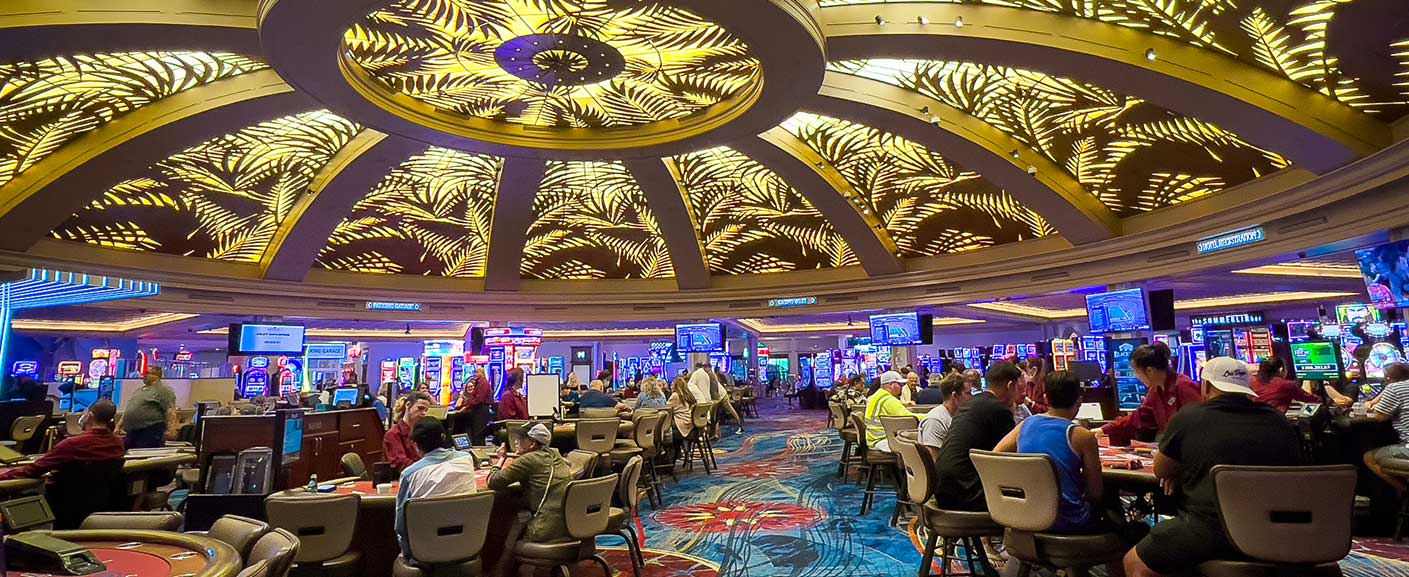
Exploring Online Casinos and Their Cultural Impact
The rise of online casinos has transformed the gambling landscape, offering players new ways to engage with casino culture from the comfort of their homes. This shift has made gaming more accessible, allowing individuals who may have been hesitant to visit physical casinos to explore the world of gambling. Online platforms provide an array of games, including virtual slot machines, table games, and live dealer experiences, catering to a diverse audience and reflecting the changing preferences of modern society.
Online casinos have also contributed to the globalization of gambling culture. Players from various parts of the world can interact and compete, creating a virtual community that transcends geographical boundaries. This international connectivity enriches the gaming experience, fostering cultural exchange and collaboration among players. As online gaming continues to evolve, it raises questions about regulations, responsible gaming practices, and the implications of technology on societal behaviors.
Furthermore, online casinos are often at the forefront of innovation, utilizing advanced technologies such as virtual reality and blockchain to enhance the gaming experience. These advancements not only improve player engagement but also prompt discussions about the future of gambling and its place in society. As the industry continues to evolve, it is crucial to consider the cultural implications of online casinos and their potential to shape new social dynamics within the gambling world.
